Outdoor displays demand materials that can withstand environmental exposure while maintaining a professional appearance. Rain, wind, temperature changes, and prolonged visibility all place pressure on signage materials. Selecting the correct board thickness is therefore not just a design decision but a practical one that affects longevity, safety, and brand perception. Among rigid signage materials, thicker PVC-based boards are often favoured for external use due to their stability and strength.
This article explains when a thicker signage solution becomes the most appropriate option for outdoor displays, focusing on performance, application scenarios, and decision-making factors that help businesses and organisations achieve reliable, long-lasting results.
Outdoor signage faces conditions that indoor displays never encounter. Before choosing a board type, it is essential to understand these challenges.
These elements make material thickness and rigidity a critical consideration rather than a secondary choice.
Certain display scenarios place higher demands on signage materials. In these cases, opting for a thicker board is a practical decision rather than an aesthetic preference.
In such environments, thinner boards may flex, bow, or deteriorate more quickly, increasing replacement costs and safety risks.
Large outdoor signs need structural integrity to remain visually aligned and secure.
When panels are mounted across wide spans or fixed to uneven surfaces, material rigidity becomes essential. Using a 10mm foamex board in these scenarios reduces the risk of bending and ensures the display remains flat over time. This stability is particularly important for high-visibility signage where presentation directly reflects brand quality.
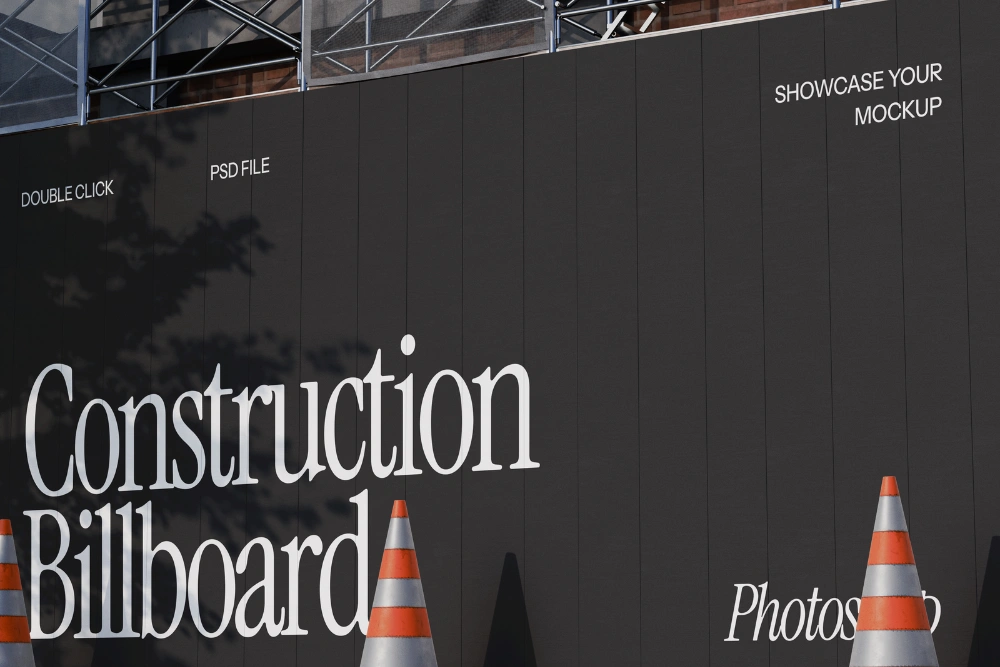
Construction environments are among the most demanding settings for outdoor signage. Displays are often installed for months, sometimes years, and must withstand constant exposure to the elements.
In these cases, a 10mm foamex board offers the durability needed for consistent performance. The increased thickness allows the board to be securely fixed to timber frames or metal fencing without cracking at fixing points.
A thicker board helps maintain professional presentation throughout the life of the project.
Outdoor signage must not only look good but also remain safe in exposed conditions. Wind load is a key factor that influences material choice.
A 10mm foamex board provides greater resistance to wind pressure compared to thinner alternatives, particularly when installed in open or elevated locations. This reduces the likelihood of flexing, detachment, or long-term stress damage.
Thickness also plays a role in how printed graphics perform over time. Outdoor displays are typically viewed from a distance, making clarity and consistency essential.
Thicker boards provide a more solid base for high-resolution printing, ensuring colours remain even and edges stay sharp. Professional print providers offering large-format solutions—such as those specialising in board printing for commercial signage—often recommend thicker substrates for external use to support durable finishes and longer display life.
The table below highlights how different board thicknesses compare in external environments:
| Board Thickness | Outdoor Suitability | Typical Lifespan | Common Use |
| 3mm | Low | Short-term | Temporary posters |
| 5mm | Moderate | Medium-term | Sheltered outdoor signs |
| 10mm | High | Long-term | Exposed outdoor displays |
This comparison clearly shows why thicker boards are favoured when longevity and resilience are priorities.
Outdoor displays vary widely in how they are installed. A thicker board allows greater flexibility across different fixing methods.
The rigidity of thicker boards ensures they remain secure regardless of installation method, reducing the need for additional reinforcement.
While thicker boards may have a higher initial cost, they often prove more economical over the lifespan of an outdoor display.
When displays are intended to remain in place for extended periods, durability becomes a cost-saving factor rather than an expense.
Choosing the correct signage material for outdoor use requires careful consideration of environmental exposure, installation duration, and structural requirements. Outdoor displays are constantly affected by weather conditions, wind pressure, and temperature changes, making material strength and stability essential. Thicker boards provide greater resistance to these challenges, helping signage remain secure, visually consistent, and safe over extended periods. They are particularly well suited to long-term external applications, construction environments, and large-format displays where durability is a priority.
By selecting a material thickness that aligns with the location, mounting method, and expected lifespan of the display, businesses can reduce maintenance needs, limit replacement costs, and ensure their outdoor signage continues to perform reliably and professionally.
© 2026 Point of Sale Printers. All Rights Reserved.